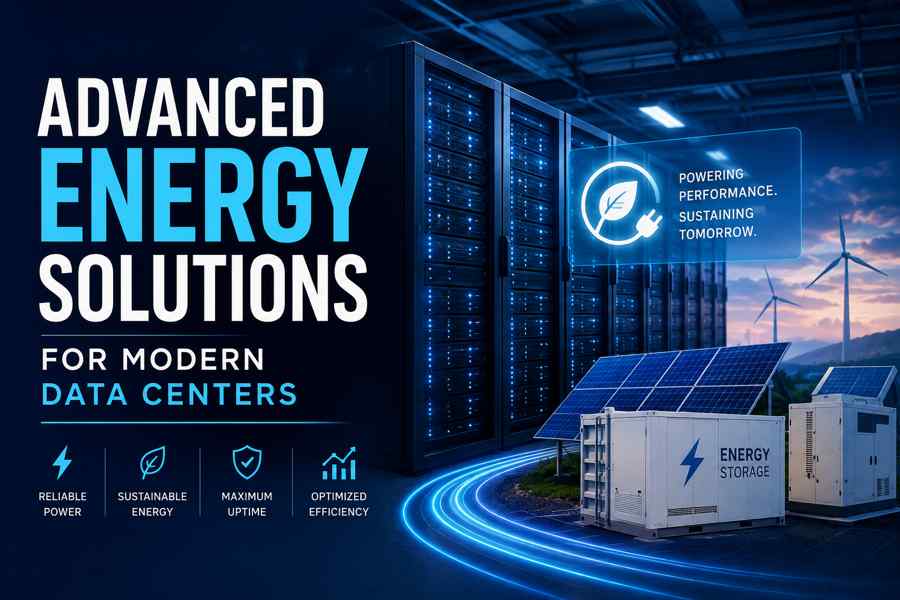
As the digital economy expands, fueled by advances in generative AI, widespread cloud adoption, and large-scale enterprise applications, the need for computing power continues to rise. At the same time, data centers are estimated to account for 2% of global carbon emissions, putting significant pressure on the tech industry’s sustainability goals. In response, the sector is heading toward a major shift, moving steadily toward a future powered by clean energy.
Why the Push Now?
Key Forces Driving Sustainability
Multiple factors are accelerating this shift: business necessity, tightening regulations, and the ongoing effort to reduce operating expenses. Major technology companies, including Microsoft, Google, and Amazon, have pledged to become carbon negative by 2030 or 2040. This requires cutting emissions across their entire value chain, including IT infrastructure. To meet its 2030 carbon neutrality target, for example, Microsoft now requires its supply chain to run on 100% carbon-free energy (CFE) by that date.
Transitioning to Green Power Isn’t Simple
While the goal of a fully decarbonized electricity grid is clear, achieving it involves multiple strategies and complexities.
Grid reliance and power purchase agreements (PPAs): Despite common assumptions, most data centers remain connected to the grid. Instead of operating off-grid, they secure renewable energy through long-term PPAs, drawing clean power from the broader electricity network.
Shifting from annual to 24/7 clean energy matching
In the past, companies aimed to match their yearly energy use with renewable generation. Now, the focus is on aligning supply and demand around the clock. The new standard is ensuring that every hour of data center operation is powered by carbon-free sources.
Ensuring reliability remains a challenge, as renewable sources like wind and solar can be intermittent. To maintain continuous supply, the industry is exploring firm clean energy options such as advanced geothermal systems and small modular nuclear reactors.
Another Path Forward: Boosting Computing Efficiency
The most energy-efficient server is one that isn’t used at all. There’s growing emphasis on improving efficiency through liquid cooling, AI-powered workload optimization, and repurposing waste heat, all of which can cut energy use by double-digit percentages.
The Road Ahead for Data Centers
Data centers are expensive to build, heavily reliant on advanced technology, and essential to the global digital infrastructure. Their shift toward green energy and smarter operations will have lasting effects—not just on the industry, but on the environment and society as a whole.



💬 Discussion (0)
No comments yet. Be the first to share your thoughts!
Leave a Response