Your First KSh 10,000: Why Young Kenyans Should Make Saving a Target, Not a Leftover
Saving doesn't have to begin with a huge salary. Here's how young Kenyans can turn their first KSh 10,000 savings target into a lasting financial habit.
Press Esc to close · Press Enter to search
Explore our comprehensive collection of articles, insights, and expert perspectives.
Saving doesn't have to begin with a huge salary. Here's how young Kenyans can turn their first KSh 10,000 savings target into a lasting financial habit.
Emmanuel Omuga
Financial literacy can help young people understand budgeting, saving, debt, investing and the financial decisions that shape their future.
Emmanuel Omuga
A higher salary should make life easier, but lifestyle inflation, debt and uncontrolled spending can leave you just as financially stressed. Here’s how to make your extra income work for your future.
Emmanuel Omuga
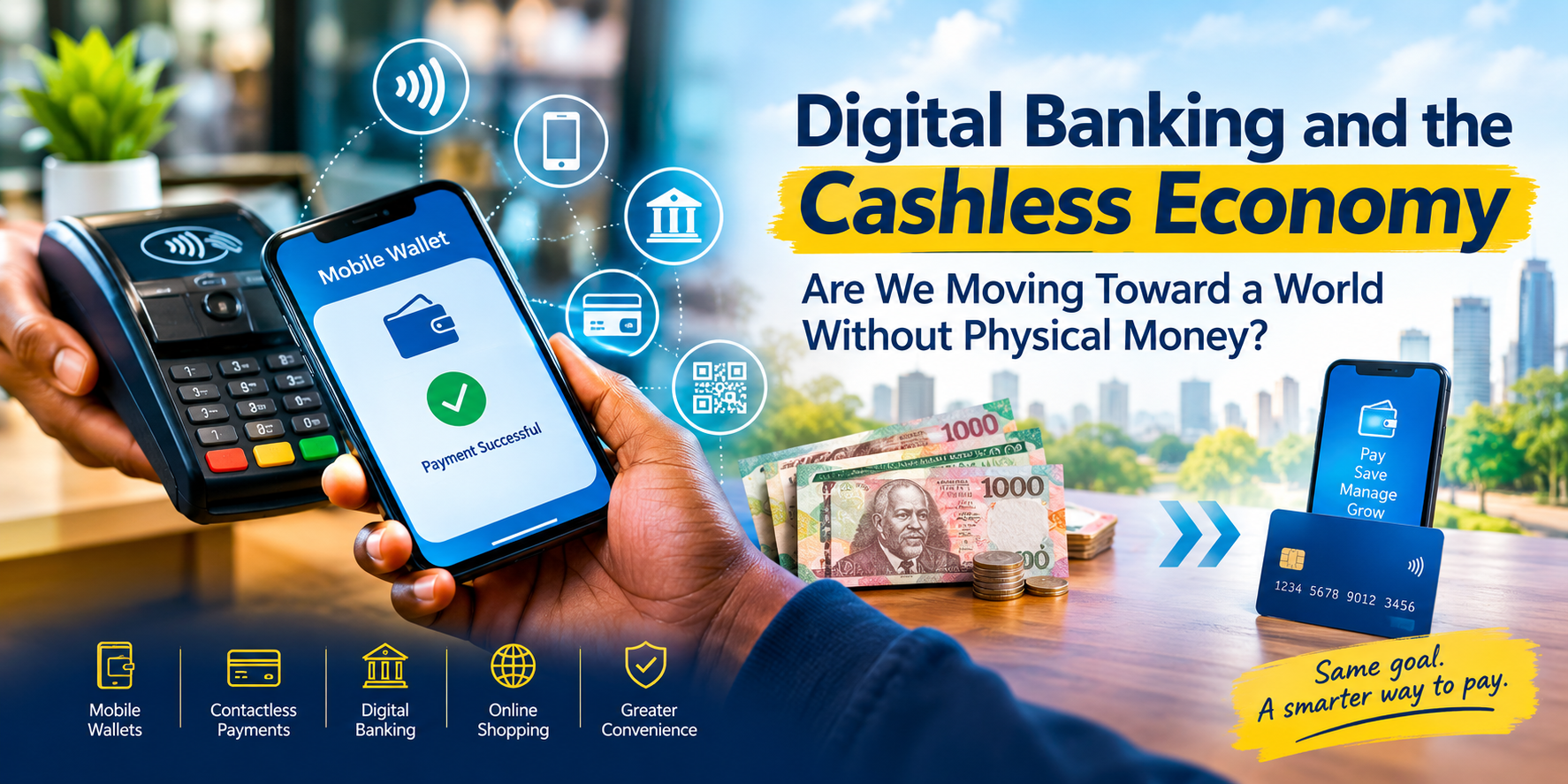
Digital banking, mobile wallets, and contactless payments are changing how we use money. But are we truly moving toward a cashless world? This article explores the benefits, challenges, and future of physical money in an increasingly digital economy.
Emmanuel Omuga
Artificial Intelligence is transforming the way we budget, save, invest, and protect our money. Explore how AI-powered financial tools can improve personal finance while understanding the risks of privacy concerns, inaccurate advice, and becoming too dependent on technology.
Emmanuel Omuga
Financial goals turn dreams into practical plans. Learn how to set clear and achievable money goals, break large ambitions into manageable steps, track your progress, and build a stronger financial future through consistent and intentional decisions.
Emmanuel Omuga
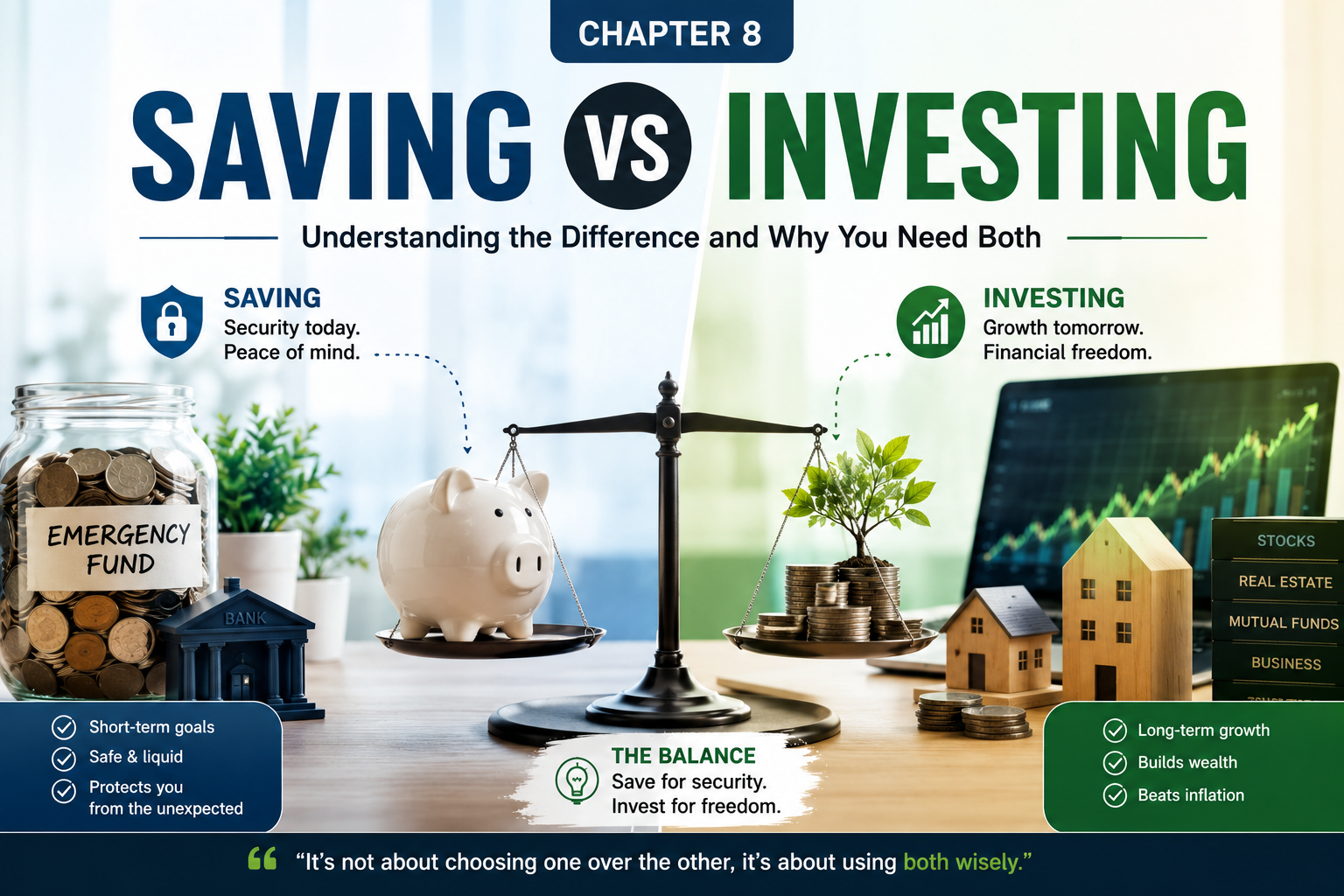
Saving and investing are both essential for financial security, but they serve different purposes. This chapter explains the key differences between saving and investing, how inflation affects your money, and why balancing both can help you achieve short-term security and long-term financial growth.
Emmanuel Omuga
Why do we buy things we don't always need? This chapter explores the psychology behind spending, including emotional spending, impulse buying, social pressure, advertising, and FOMO. Learn how understanding your spending triggers can help you make smarter financial decisions and take greater control of your money.
Emmanuel Omuga
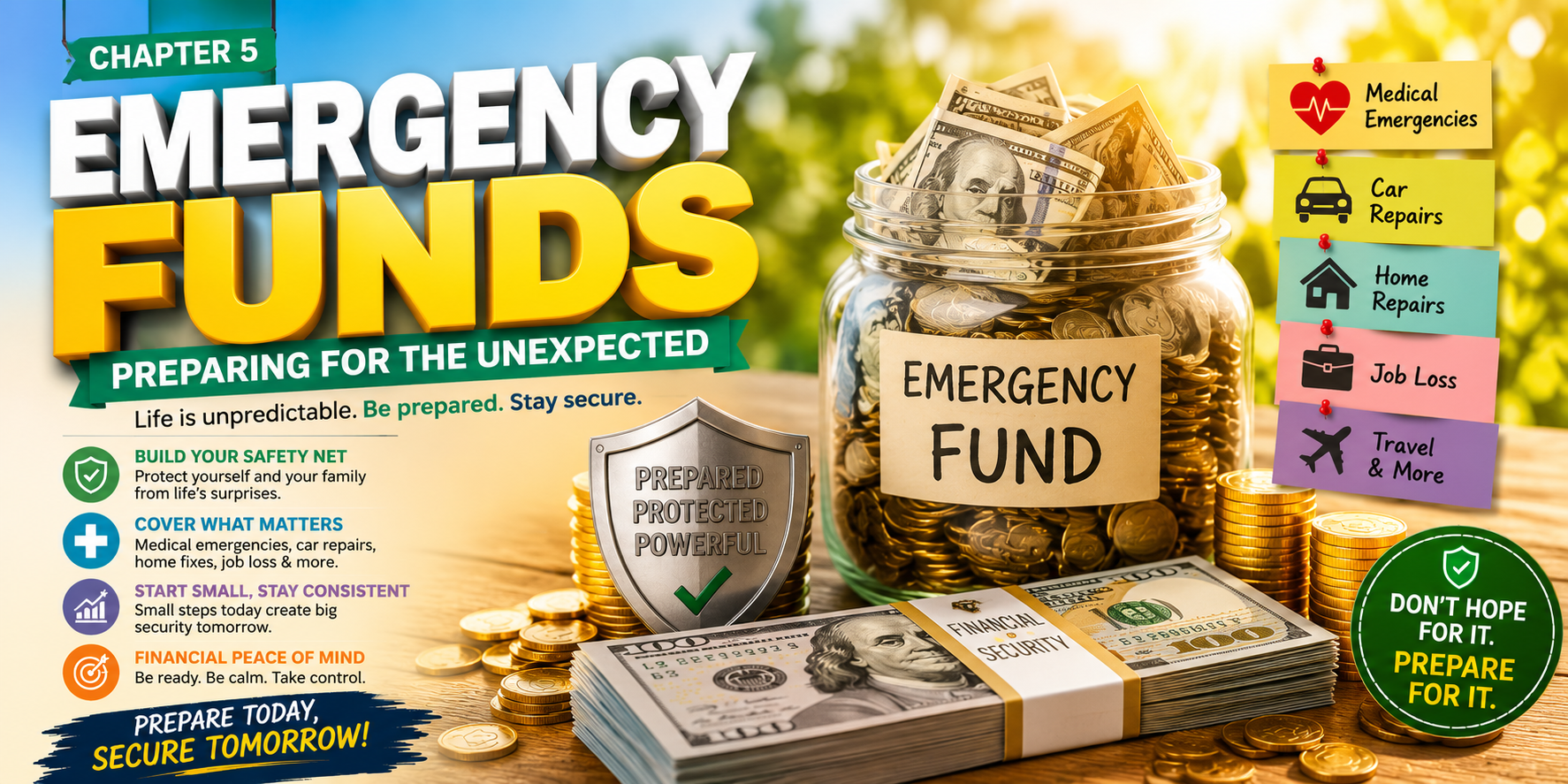
Life is unpredictable, but financial emergencies don't have to destroy your plans. Learn what an emergency fund is, what qualifies as a real emergency, how much to save, and how to build a financial safety net one step at a time.
Emmanuel Omuga
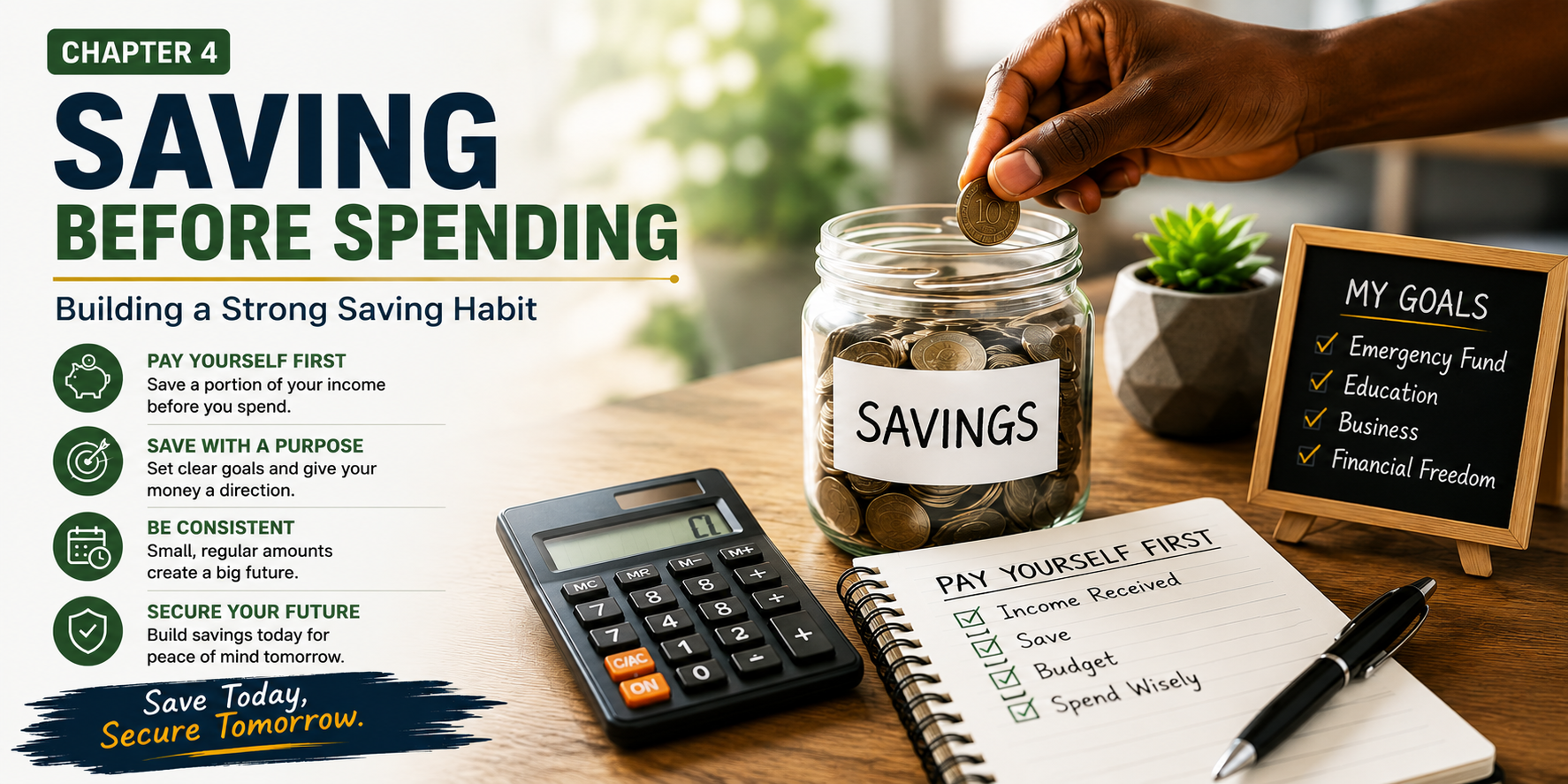
Saving should not be something you do only when money is left over. Learn how to prioritize savings, set meaningful financial goals, automate your contributions, and build a consistent saving habit—even when you are starting with a small amount.
Emmanuel Omuga
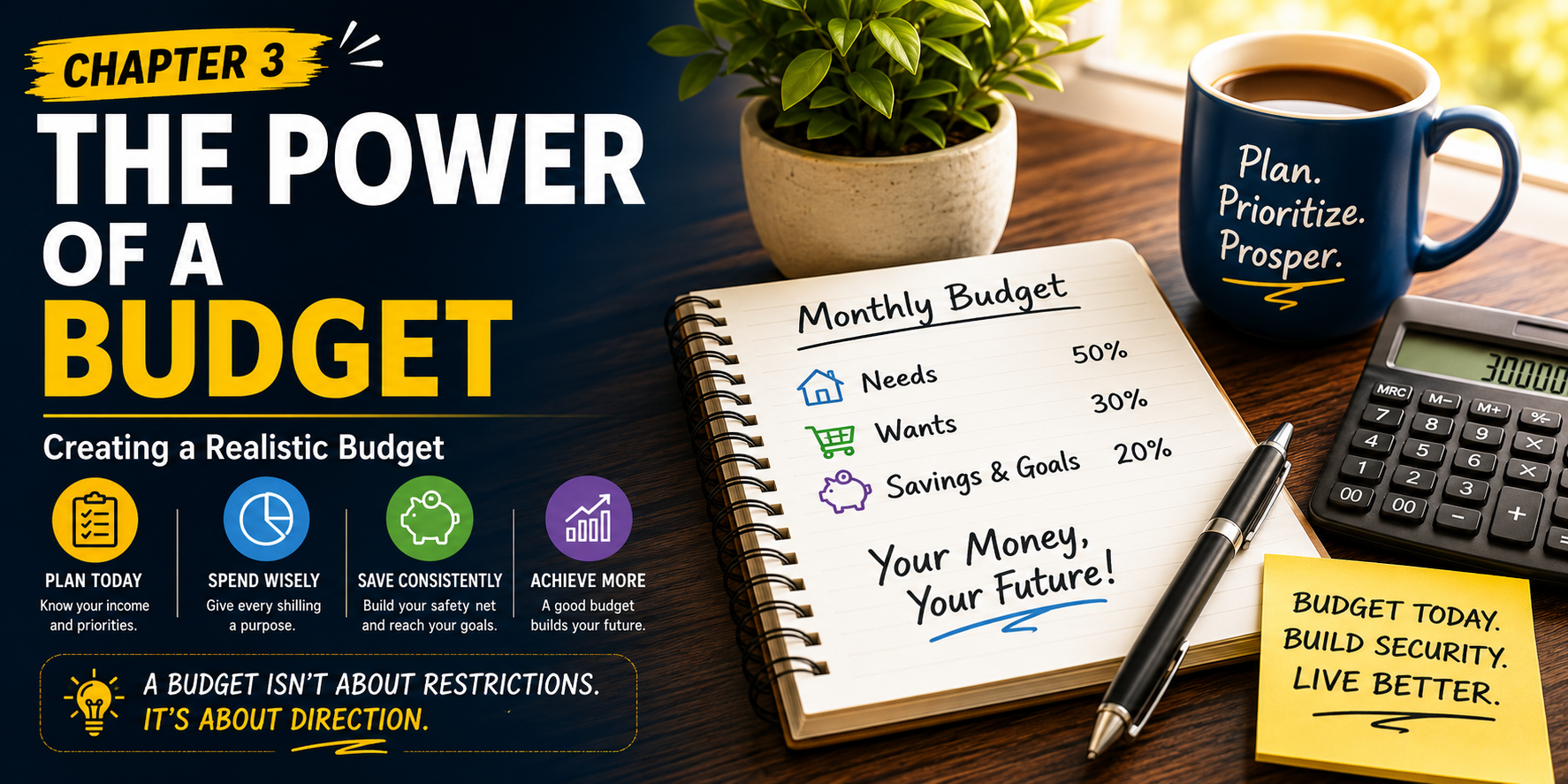
Learn how to create a realistic budget that gives every shilling a purpose, balances your needs and wants, prepares you for unexpected expenses, and helps you move closer to your financial goals. A budget isn't about restricting your money—it's about giving it direction.
Emmanuel Omuga
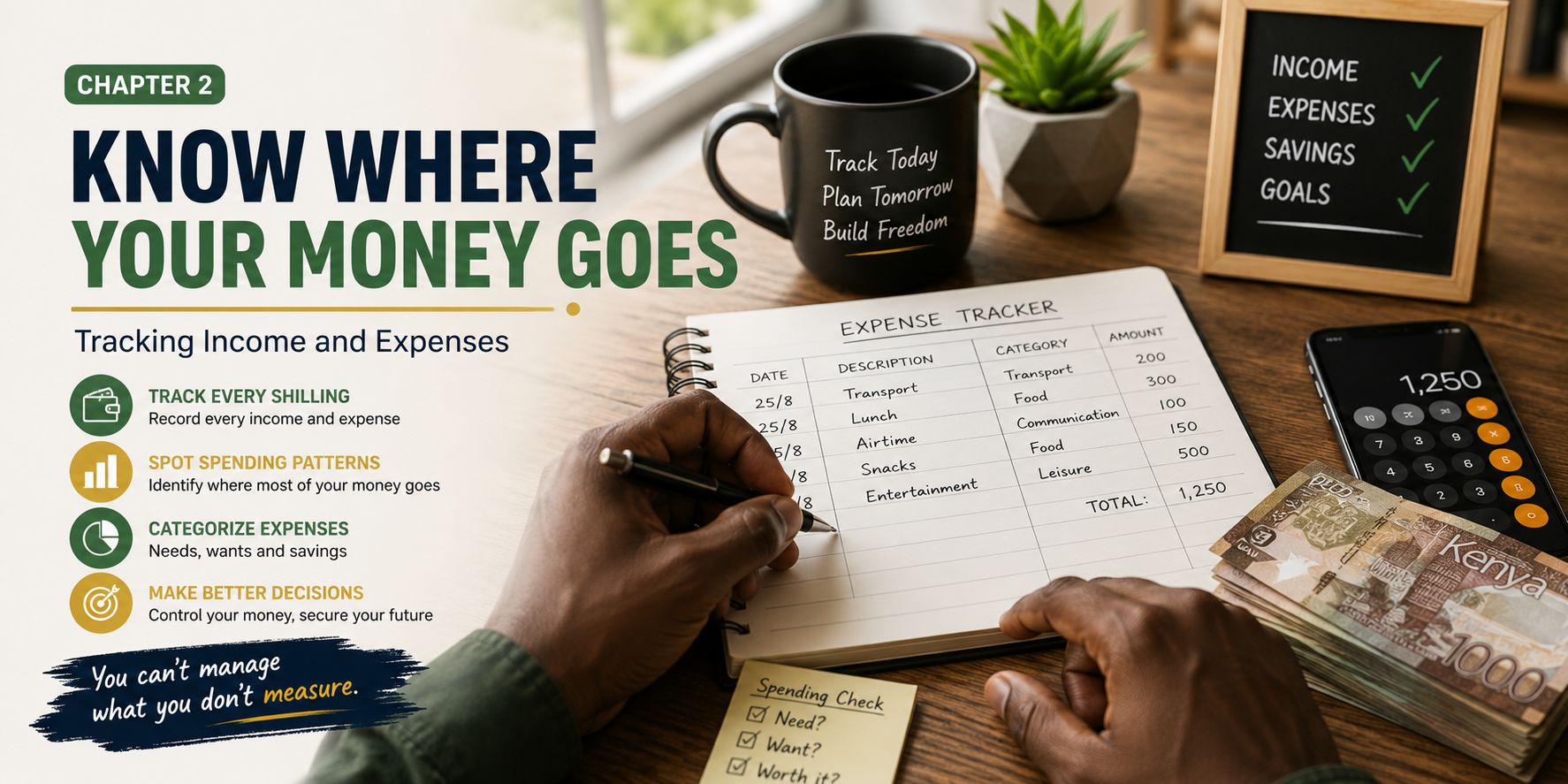
Where does your money actually go each month? Learn how to track every expense, identify spending patterns, separate fixed and variable costs, and discover where your money is being wasted. Understanding your spending habits is the first step toward making better financial decisions.
Emmanuel Omuga
Understanding your money is the first step toward financial freedom. Learn how to manage your income, control spending, distinguish needs from wants, build savings, and give every shilling a purpose. Financial success starts not with earning more, but with making better decisions about the money you already have.
Emmanuel Omuga
Financial problems often begin with small decisions that seem harmless. From overspending and ignoring savings to taking unnecessary debt and chasing quick money, everyday financial habits can shape your future. Learn the common money mistakes to avoid and the simple habits that can help you build financial stability.
Emmanuel Omuga
Financial misuse can lead to debt, stress, and long-term financial problems. Learning to control spending, avoid impulsive decisions, and develop healthy money habits can help you build a more secure future.
Emmanuel Omuga
Did you know money is a game?
Taking Charge of Your Financial Future
How to fund your future without jeopardizing your present financial stability
Fiona Bango
Investment outcomes are shaped more by habits like spending patterns, planning discipline, transaction frequency, and cost management than by picking winners.
An asset is anything that gives you a return on your time, money, or energy without requiring you to "rent" your body and mind to it every single day
Luma Admin